



LES PLUS POPULAIRES







DERNIERS ARTICLES

Techniques de kinésiologie pour améliorer la qualité de vie au quotidien
Les techniques de kinésiologie peuvent largement favoriser votre qualité de vie au quotidien. Au travail, la kinésiologie s’avère une solution efficace pour gérer le stress, ce qui…

Pourquoi est-il bénéfique d’allaiter son bébé ?
On constate ces dernières années une réelle tendance pour l’allaitement des nouveau-nés, et cela sur de longues durées. Ainsi, de très nombreuses mamans font à nouveau le choix de donner le…

Pompe à insuline : Top 10 des questions à poser à son médecin
Dans la lutte quotidienne contre le diabète, la technologie médicale a fait d’énormes progrès au fil des ans. La pompe à insuline est l’une de ces avancées qui a considérablement…

Danse classique : comment bien commencer ?
La danse classique est un art qui nécessite une grande discipline. Cette danse, aussi belle que rigoureuse, implique d’avoir une hygiène de vie très stricte, mais ce n’est pas tout. Aussi, si…

QVT et QVCT, des démarches indispensables au bon fonctionnement d’une entreprise ?
Réduire l’absentéisme au travail, avoir une équipe motivée à se dépasser au niveau de la productivité et améliorer les performances générales d’une entreprise : c’est possible en améliorant la…
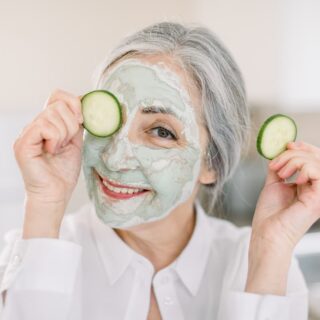
Alimentation et poches sous les yeux : quels aliments privilégier et lesquels éviter ?
L’apparition de poches sous les yeux peut être préoccupante pour beaucoup de personnes, car elles peuvent donner un aspect fatigué et vieilli au visage. Bien qu’elles puissent être la…

Électrostimulation : une approche innovante pour atteindre vos objectifs de minceur
L’électrostimulation est devenue une technique populaire dans le domaine de la remise en forme et du bien-être. Cette approche novatrice suscite l’intérêt de nombreux adeptes du fitness et de…

H4CBD : une nouvelle alternative au CBD
Le monde du cannabidiol (CBD) continue d’évoluer et de nous surprendre avec de nouvelles avancées. Une des innovations les plus récentes est l’apparition sur le marché du H4CBD,…

La vape avec de la nicotine peut-elle faire arrêter le tabac ?
Les cigarettes électroniques, également connues sous le nom de vape, sont devenues une alternative populaire aux cigarettes traditionnelles. Avec la possibilité d’inhaler de la nicotine…

Les bienfaits des infusions au cannabidiol
La phytothérapie est une médecine qui se répand de plus en plus. Cette approche naturelle consiste à utiliser les propriétés des plantes pour améliorer notre santé. Les principes actifs des…
TENDANCES DU MOMENT


Reviews